We use cookies to enhance your browsing experience, serve personalized content, and analyze our traffic. By clicking "Accept All Cookies", you consent to our use of cookies. Read our Privacy Policy and Cookie Policy for more information.
CII Annual Summit 2026


Profile details will be updated shortly.
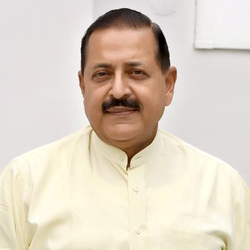
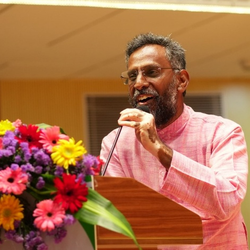
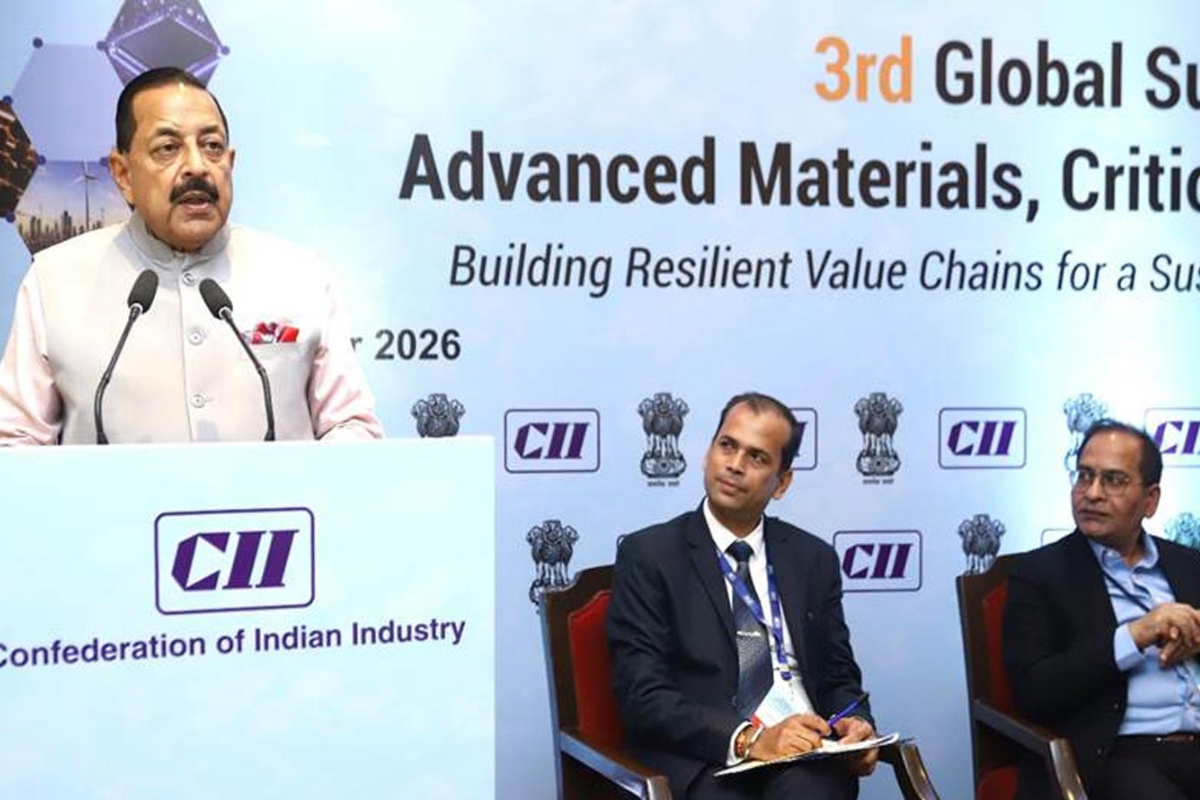
Dr Jitendra Singh has taken over as the Minister of State (Independent Charge) for Science and Technology as the Ministries were included under the charge of Office of the Prime Minister.
He is a physician known for his work on diabetes and endocrinology. He has been a professor, a consultant, clinical practitioner, author of eight books, and a newspaper columnist as also the ex-chairman for the National Scientific Committee Diabetes and the Research Society for the Study of Diabetes in India.
With an M.B.B.S. degree from Stanley Medical College, Chennai and M.D. from Government Medical College, Jammu, Dr Singh has authored several books including Monograms on Diabetes and World Book Fair best seller, "Diabetes Made Easy". He is also the author of chapters on diabetes in text books for Post Graduate Course (Medicine) and runs a syndicated weekly column "Tales of Travesty", popularly read and regularly published for three decades. He is Minister of State for Prime Minister's Office; Personnel, Public Grievances and Pensions; Department of Atomic Energy and Department of Space.
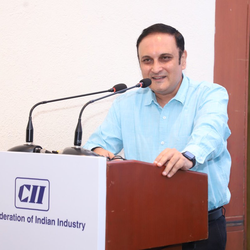
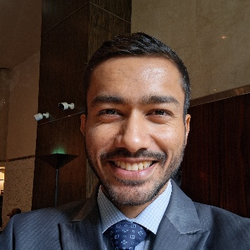
Lekhan Thakkar is an Indian career civil servant and diplomat who currently serves as Joint Secretary to the Government of India in the National Security Council secretariat.
He previously served as Counsellor (Economic and Commerce) and is the Commercial Representative of India[^]^](https://en.wikipedia.org/wiki/Lekhan_Thakkar#cite_note-Embassy_India_China-6) in Embassy of India at Beijing at People's Republic of China.[^]^](https://en.wikipedia.org/wiki/Lekhan_Thakkar#cite_note-Appointment_commercial-7) He formerly served as Director to Government of India in Ministry of Finance and Executive Director for National Financial Reporting Authority.
He is a 1995 batch Central Secretariat Service officer.
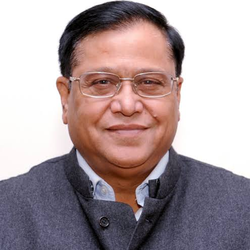
Dr Vijay Kumar Saraswat is a distinguished scientist with vast experience in defence research–-in both basic and applied sciences–-spanning several decades.
He retired as Secretary, Defence Research and Development Organisation (DRDO), after decades of government service. He holds a PhD from Osmania University and an ME degree from the Indian Institute of Science.
Dr Saraswat has had an illustrious career and is credited with the indigenous development of missiles such as Prithvi, Dhanush, Prahaar, and Agni-5; the two-tiered Ballistic Missile Defence system; the initial operational clearance of Light Combat Aircraft Tejas; and nuclear submarine INS Arihant.
As Secretary, DRDO, Dr Saraswat played a pivotal role in the: (i) establishment of command, control, communication, storage, transportation and deployment infrastructure for strategic nuclear assets to support the Nuclear Doctrine; (ii) flight evaluation of long-range subsonic cruise missile (iii) long-range radars for tracking incoming (enemy) ballistic missiles, command, control and communication network, command centres with decision support system for defending the National Capital Region against ballistic missile threats, (iv) establishment of the Cyber Security Research and Development Centre for developing offensive and defensive technologies for cybersecurity.
As the Homi Bhabha Chair Professor and Consultant to IOCL R&D, Dr Saraswat evolved a roadmap for the development of alternative energy systems such as clean coal technologies; high-efficiency concentrated solar power systems, and bioenergy- and hydrogen-based economy. He is currently the Chairman of Research Advisory Council, IOCL R&D.
Dr. (Mrs.) N. Kalaiselvi is a distinguished scientist and researcher with over 25 years of expertise in electrochemical power systems and advanced energy-storage technologies. She obtained her Bachelor's degree in Chemistry from Government Arts College, Tirunelveli, her postgraduate degree from Government Arts College, Coimbatore, and her Ph.D. from Annamalai University, Chidambaram. Her research focuses on lithium and beyond-lithium batteries, supercapacitors, advanced electrode and electrolyte materials, ionic and bio-ionic liquids, polymer electrolytes, and waste-to-wealth approaches for energy-storage and electrocatalytic applications. She has led and contributed to numerous research, collaborative, and sponsored projects funded by DST, MNRE, and CSIR. She served as Nodal Scientist for the CSIR's MULTIFUN project, a ₹68.54-crore national initiative, which received an "Excellent" grade. She has significantly contributed to sodium-ion/lithium-sulfur batteries, e-mobility, and indigenous energy-storage technologies. She also served as Theme Director of Energy and Energy Devices (E2D) at CSIR, reflecting her leadership in India's energy research ecosystem.
Subodh Pandey is currently Vice President –Technology, R&D, NMB and Graphene at Tata Steel. He played a key role in the transformation journey of Tata Steel BSL Limited (formerly known as Bhushan Steel Limited). After assuming responsibility as its Chief Operating Officer on September 1, 2018, he ramped up operations, reduced cost through operational efficiency and improved reliability of operations. This is probably the first company under IBC to demonstrate a turnaround in a short span of three years.
Prior to moving to Tata Steel BSL, Mr Pandey was the Executive-in-Charge of Tubes SBU, Tata Steel. He led the digital transformation journey of the Division, wherein he piloted and scaled up various initiatives in the areas of maintenance, warehousing, logistics, marketing and sales and safety.
He also has rich experience across Marketing & Sales of both Flat and Long Products, Ferro Alloys and Minerals Division, Improvement Functions and Engineering & Projects.
Mr Pandey is a B. Tech in Electrical Engineering from IIT, Kanpur and holds a Post Graduate Diploma in Business Management from XLRI, Jamshedpur. He has also completed CEDEP General Management Program at INSEAD, France. He joined Tata Steel Jamshedpur as a Graduate Trainee in 1992.
Mr Pandey is also Chairman of Angul Energy Limited (formerly known as Bhushan Energy Limited), a subsidiary of Tata Steel, since September 27, 2019. He is passionate about Total Quality Management and has contributed to Tata Steel's journey to achieve the Deming Grand Prize.
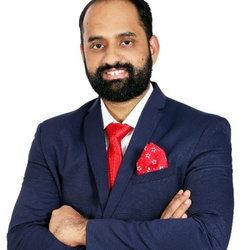
Rajat Verma, Founder and CEO of LOHUM, is a trailblazer in India's sovereign, end-to-end critical minerals and advanced materials ecosystem, built to power a Viksit Bharat. As India races towards becoming a $30 trillion economy by 2047, the nation's clean energy transition, self-reliance in defense, and advanced manufacturing ambitions all converge at a single chokepoint: highly concentrated critical minerals and the advanced materials supply chains. Rajat built LOHUM to solve precisely this problem. Under his leadership, LOHUM has emerged as India's largest producer of sustainable critical minerals and advanced materials, operating a vertically integrated platform that rests on three key pillars: (i) upstream mining and recycling, (ii) midstream critical minerals processing, and (iii) downstream advanced materials manufacturing. This full-stack architecture ensures that India captures value at every stage of the critical minerals supply chain, reducing import dependence and building the kind of industrial depth that Viksit Bharat demands. Processing over 50,000 metric tonnes annually, LOHUM produces Lithium, Cobalt, Nickel, Platinum Group Metals, and Rare Earths, alongside high-value products including Catalysts, Alloys, Magnets, Cathode Active Materials and Semiconductor materials. These materials are the foundational inputs for e mobility, green energy, pharmaceuticals, electronics and steel, sectors at the very heart of India's industrial and climate agenda. LOHUM already commands over 90% of India's end-to-end battery recycling market, establishing a critical circular economy loop that reduces both resource leakage and carbon intensity. Lohum's investments in the UAE and Africa further extend India's minerals reach beyond its borders. Rajat serves as a Technical Expert on the Empowered Committee, chaired by the Cabinet Secretary of India, and overseeing India's $4 billion National Critical Minerals Mission, directly shaping the policy architecture that will define India's minerals security. He serves on the Expert Council of NITI Aayog's Frontier Technologies Hub, and co-chairs both the CII National Taskforce on Advanced Materials, Critical Minerals and Metals and the FICCI Taskforce on Critical Minerals for FY 2026-27.
Major General K Narayanan, AVSM & Bar, SM, is an alumnus of Sainik School Trivandrum, Kerala and National Defence Academy, Khadakwasla, Pune. He was commissioned into 12 MARATHA Light Infantry in 1985, the Battalion which he commanded later. He was also the Colonel of the Maratha Light Infantry Regiment.
He was awarded the Hon'ble Home Minister's Commendation, while being Commandant of the Assam Rifles Training Centre and School. He commanded the 29 Infantry Division, along the western borders, where he was awarded Sena Medal for distinguished service. He also served in the United Nations Peacekeeping Force in Ethiopia.
He is the first Army Officer to be appointed Joint Secretary (Army & Territorial Army), Department of Military Affairs. Gen Narayanan has been awarded Ati Vishisht Seva Medal, twice.
He is currently with NITI Aayog as Programme Director (Security & Strategic Affairs) since November 2023. He is also in-charge for two states – Arunachal Pradesh and Sikkim – and Union Territory of Ladakh.
Dr. Sukanya Chakraborti is a distinguished geoscientist and strategic professional with extensive experience spanning geology, mineral exploration, mining, and critical minerals. She currently serves as Chief Technical Officer at Khanij Bidesh India Limited (KABIL), where she contributes to India's strategic efforts to secure critical mineral resources through overseas exploration, acquisition, development, and sustainable supply chains. Her professional journey includes experience in mining and geotechnical domains, including assignments with Tata Consulting Engineers, and academic and professional engagement with mineral-resource development. Dr. Chakraborti has been associated with exploration and mining projects across India and several countries in Africa, the USA, Europe, and elsewhere. Her expertise is particularly relevant to critical minerals, resource security, sustainable mining, and strengthening resilient mineral supply chains for India's energy transition and advanced manufacturing ambitions. She has also contributed to national-level discussions and knowledge initiatives concerning critical minerals and their role in achieving India's long-term economic and technological objectives.
Jane Edquist is a career diplomat and policy official with experience in resources and energy policy, infrastructure, the Pacific and Asia. Ms Edquist has served overseas as First Secretary, Infrastructure Port Moresby (2018-2021), and Charge d'Affairs to the Cook Islands (2021-22). She worked in energy policy at Australia's Department of the Prime Minister and Cabinet to deliver the Sydney Energy Forum (2022) and at the Department of Climate Change Energy Environment and Water as Director of Energy Workforce policy (2023-24) Since joining DISR in 2024, Ms Edquist has served as manager, Timor Sea Section, Acting General Manager Timor Sea Branch and Deputy Chief negotiator on the Greater Sunrise Technical Negotiations with Timor-Leste. Prior to joining DFAT in 2013, Ms Edquist worked at AusAID on the Sustainable Development Goals, and Department of Climate Change and Energy Efficiency on the Pacific Australia Climate Change Adaptation Program. Ms Edquist joined the APS as a junior policy officer at Department of Agriculture Forestry and Fisheries in 2007.
Christopher Cooter (BA Hons [Political Science], University of Toronto, 1981; MA [Political Science], Columbia University, 1982; BCL, LLB [Common/Civil Law], McGill University, 1986) was called to the British Columbia bar in 1986 and practised law at Campney and Murphy before joining the federal government in 1989 as acting manager of lands for the British Columbia region of the Department of Indian Affairs and Northern Development. In 1990, he joined External Affairs and International Trade Canada, serving in Ottawa as an officer in the legal, Europe and policy planning bureaus and then director of the Southeast Europe Division, director of the Policy Planning Division, director general for executive management and assignments and director general for amalgamation of the Canadian International Development Agency with Foreign Affairs and International Trade Canada. In the Privy Council Office, he worked in the Intergovernmental Affairs Bureau. He served abroad as political officer at Canada's missions in Kenya and India, as chargé d'affaires in Cambodia and as deputy permanent representative to NATO. He was high commissioner in Nigeria and permanent observer to the Economic Community of West African States, ambassador to Türkiye, Georgia, Azerbaijan and Turkmenistan, and chargé d'affaires to the European Union. Most recently, he served as high commissioner in South Africa, Lesotho, Mauritius and Namibia and ambassador to Madagascar.
Olivier Frézot is an international geoscience and mineral resources expert with extensive experience at BRGM (French Geological Survey), specialising in critical minerals, strategic resources and sustainable resource development. He has led and contributed to international cooperation programmes focused on geological knowledge, mineral exploration, responsible mining and resilient critical-mineral supply chains.
With significant experience working with governments, geological surveys and industry partners across Asia, Africa and other resource-rich regions, Olivier brings a strong understanding of the global critical-minerals landscape. His work also supports international collaboration on strategic mineral resources, including France–India cooperation. He combines deep technical expertise with strategic programme development and international partnership-building.
DR. BADRI GOMATAM Group Chief Technology Officer With close to thirty years of experience in the wired and wireless communications industry, Badri guides the Company's technology vision. He joined STL in 2011 and has since led the Company's transition to an end-to-end solutions enterprise. His deep expertise in semiconductors, photonics, enterprise, access and long-haul networks helped shape this evolution. Under his leadership, the Company today has over 733 patents to its credit. He holds an MS and Ph.D. from the University of Massachusetts, Amherst, and a BE from the Birla Institute of Technology, Mesra.
Rishabh Jain is a Fellow at the Council on Energy, Environment and Water (CEEW). He leads its Technology Futures and Energy Transitions programmes, and has been at CEEW for close to a decade. His work centres on critical minerals, clean energy supply chains, and the manufacturing and deployment of clean energy technologies. It spans the whole chain, from mining and processing through to batteries, solar and wind. Through this work he has helped shape the design, reform and adoption of policy, and he works closely with company CEOs, senior government officials and other leading stakeholders.
Rishabh supported Indian ministries as a Knowledge Partner for the G20 Energy Transition Working Group during India's presidency. He continues to advise the Ministry of Mines on India's critical minerals agenda, including the National Critical Mineral Mission. He also works with the Ministry of New and Renewable Energy on rooftop solar, clean energy manufacturing and geothermal energy. His teams engage formally with six states: Andhra Pradesh, Gujarat, Karnataka, Madhya Pradesh, Rajasthan and Uttarakhand.
Dr Anshoo Pandey is a senior government official serving as Director, Ministry of Mines, Government of India. In this role, he contributes to policy formulation and implementation in India's mining and mineral sector, with a focus on strengthening mineral security, sustainable resource development and efficient management of the country's mineral resources.
Dr Pandey brings experience in public policy, administration and the development of strategic initiatives supporting India's mineral sector. His work is aligned with India's priorities on critical and strategic minerals, responsible mining, resource efficiency and strengthening domestic capabilities across the mineral value chain. He actively contributes to institutional and policy efforts aimed at building a resilient, sustainable and globally competitive minerals ecosystem.
Dr. Abhinav Mathur Advisor to the Board, Attero Recycling Dr. Abhinav Mathur is a technology strategist and policy advisor with over three decades of leadership experience spanning government, industry, entrepreneurship, and the social sector. He holds a PhD in Computer Sciences from IIT Delhi, an MBA from IIM Lucknow, and is an alumnus of Netaji Subhash University of Technology. He serves as Advisor to the Board at Attero, a leading deep-tech company in e-waste and lithium-ion battery recycling, where he contributes to advancing scalable circular economy models and strengthening India's position in critical materials recovery. Dr. Mathur has previously served as Senior Advisor at NITI Aayog, where he played a key role in shaping national initiatives and contributing to strategic programs associated with the Prime Minister's Office. His work has focused on leveraging technology to enable systemic transformation and policy execution at scale. He is also the Founder of Million Sparks Foundation, a non-profit focused on teacher capacity building and lifelong learning, which has impacted over 40 million children across India through partnerships with leading global organizations. He has previously led the Strategy and Technology team at SPICE Global, setup India's first incubator where he led the founding of 12 startups. He started his career with C-DOT where he went on to lead the development of GSM and IN Technologies which were deployed across 100 cities in India. Dr. Mathur brings deep expertise in technology-led transformation, institutional development, and sustainable development.
Karan Khurana is an entrepreneur and business leader working at the intersection of clean energy, circular economy, critical minerals, and EV mobility. He is the Founder & CEO of ReBAT, building an integrated battery lifecycle platform spanning refurbishment, advanced recycling, and critical-mineral recovery and refining. An MBA from UCLA Anderson School of Management, combined with experience across high-growth organisations, shapes his global perspective and disciplined execution in building scalable businesses for India's evolving energy landscape.
Karan's professional journey spans globally recognised organisations including Walmart, Ola and OYO, alongside entrepreneurial ventures such as Koleshop. These experiences shaped his expertise across business development, technology, operations and consumer markets, sharpening his focus on building businesses around emerging opportunities.
Through ReBAT, Karan is building a more complete battery lifecycle in India –- extending battery life through refurbishment and recovering critical minerals through advanced recycling and refining. His focus on urban mining reflects a broader vision: turning end-of-life batteries into valuable resources, reducing dependency on virgin materials, and strengthening India's domestic clean-energy supply chain.
Karan is a growing voice in clean energy, electric mobility, circular economy and critical minerals, contributing to platforms including the EMFAI Sustainable Mobility Summit, India Battery & Critical Materials Conference, BRICS Young Leaders Dialogue and Economic Times Viksit Bharat Conclave. His thought leadership spans battery circularity, urban mining and critical-mineral security, with a focus on strengthening India's position in the global battery ecosystem.
An experimental chemist by training, Akanksha's research at CEEW strives to make India's clean energy transition responsible and inclusive. It involves enabling a circular economy in RE sectors, estimating the employment co-benefits of RE technologies, and developing solutions to make large-scale RE deployment responsible. She has also led some of The Council's work on techno-economic analysis of energy storage-integrated solar rooftop systems for discoms and consumers.
Before joining The Council, she was a postdoctoral researcher at ESICB, Kyoto University, developing new photocatalytic routes for organic synthesis. Akanksha holds a Human and Environmental Studies doctorate from Kyoto University, Japan. She is an alumnus of the Indian Institute of Technology (Hyderabad), where she completed her MSc in Chemistry.
She is an avid table tennis player and an ardent Agatha Christie fan
At the intersection of engineering innovation and the global clean energy transition, Mr. Vaneet Kumar's career spans over 22 years of leadership across the modern battery and automotive landscape. Armed with an engineering foundation refined with an M.Tech from IIT Bombay, Mr. Vaneet began his trajectory by mastering instrumentation and emerging clean tech systems. As the automotive and power sectors pivoted toward decarbonization, he took on pivotal engineering and operational roles at Maruti Suzuki, ACME Cleantech, and Great Wall Motors, building foundational expertise in electric mobility infrastructure. His technological leadership expanded globally at SVOLT Energy / SVOLT Europe, where, as Vice President of R&D and European Customer Business, he bridged the gap between advanced cell chemistry and market ready EV applications. He championed next generation battery architectures and integrated AI and machine learning into cloud connected Battery Management Systems (BMS), turning passive energy packs into smart, predictive platforms. Returning to steer India's massive energy ecosystem, Mr. Vaneet brought his two decades of insight to the forefront of mega scale manufacturing–-first driving technology strategy as Senior Vice President & CTO (Battery) at Adani New Industries and subsequently stepping into executive leadership as Chief & Executive Director- Battery at PCBL Chemical Limited. Today, his story remains centred on bridging advanced materials science, gigawatt scale manufacturing, and strategic execution to build the next generation of global energy storage. The Professional Journey of Mr. Vaneet KumarPCBL Chemical Limited –- Chief & Executive Director, Battery Role: Steering the strategic growth and execution of the company's advanced energy storage and battery materials portfolio.
Pranati Kohli currently leads Public Affairs at Lohum Cleantech Pvt. Ltd. Lohum is India's largest producer and processor of sustainable critical minerals. With integrated capabilities across manufacturing, processing, and recycling, Lohum plays a critical role in enabling the energy transition by supplying highpurity Lithium, Cobalt, Nickel, Rare Earths, and advanced materials such as magnets, catalysts, alloys, and cathode active materials. In her role, she is responsible for ensuring regulatory compliance and facilitating access to government funding for the company. Prior to joining Lohum, Pranati was part of the Power & Climate team at the Rockefeller Foundation in New York, where she led projects on grid digitization and stakeholder management for Mission 300 - a joint programme with the World Bank, African Development Bank, and SEforALL aimed at supporting electrification in rural Africa. She holds a Master's degree in Public Policy from Columbia University's School of International and Public Affairs (SIPA).
Birla Copper (Hindalco Industries Ltd).
Ms. Ruchi Kukreja is currently working as Vice President and Head of Business Development & Policy Advocacy at Birla Copper (Hindalco Industries Ltd).
Beyond her corporate role, she serves as Director on the Board of ICA India, General Secretary of the Indian Primary Copper Producers Association (IPCPA), Co-Chair of the ASTM International B49 Task group, Member of ASTM B05 Main Committee, Member of the IEEMA Startup Committee and Mentor with Internal programs and Women4Metals. With nearly two decades of experience across sales, business development, and policy advocacy in the non-ferrous metals industry, Ruchi brings a strong blend of commercial expertise and strategic leadership.
Ruchi began my career with Hindustan Zinc Ltd. (HZL), followed by leadership roles across zinc, cadmium, and copper businesses at Vedanta and Hindalco. She led Birla Copper's sales business managing revenues exceeding $1.2 billion, before going on to build the company's Business Development & Policy Advocacy function from the ground up, driving entry into new sectors, ecosystem partnerships, customer-centric growth, and policy advocacy.
Recognized as a BRICS Trailblazer (2022) and IESA Transformational Leader (2025), IESA Women in Energy (2026), she continues playing a pivotal role in shaping India's copper value chain through strategic engagement across Copper Industry and other sectors such as electric mobility, BESS, PCB's, Renewable energy, Rail Infra, combining industry expertise with boardroom-level strategy to drive innovation, and inclusive growth.
She is passionate about building businesses, trusted partnerships across stakeholders and government, industry and academia to strengthen the copper ecosystem and accelerate the energy transition through innovation, standards and responsible growth.
Ajesh Kapoor is the Government Business & Engagements Head at L&T Semiconductor Technologies, bringing extensive experience in the electronics and semiconductor industries. Their background demonstrates expertise in fostering technology partnerships and driving business growth.
Within the semiconductor technology sector, Ajesh previously served as Director, Region (India) at NXP. Prior to this, Ajesh held the position of Vice President and Country Head at Samsung, where they oversaw country operations and contributed to business development initiatives in the telecommunications equipment sector.
Earlier in their career, Ajesh was Country Manager at Synaptics, contributing to the company's growth in human interface hardware and software. Their initial role was as a Design For Consumer Electronics Engineer at Continental Device India, where they applied engineering principles to develop electronic designs. This foundational experience provided a strong basefor their subsequent leadership roles. Their career reflects a deep understanding of semiconductor devices and technology, coupled with proven capabilities in business engagement and regional leadership.
Evangelist and technology leader, Anirban has 2 decades of experience in providing stewardship to customer-centric technologies across industries, delivered value with cumulative earnings of >$190M (through technology transfer/acquisition & licensing). A strong believer of natural teams he has built and led high-performing, interdisciplinary global teams and fostered open innovation leading to the maturation and deployment of technologies. In the past he served as an advisory board member of DBT initiatives 'Big Data and HealthCare' and contributed to policymaking on topics of Synthetic Biology.
Karthik Bansal is an Associate Fellow in the Natural Resources team, working with Professor Rajesh Chadha on the Non-Fuel Minerals and Mining in India (NFM&MIN). He works on addressing policy challenges in the domestic and global mineral supply chains, including securing access to critical minerals, responsible sourcing, environmental regulations and sustainable use of natural resources. He has a degree in Law from School of Law, Christ University Bangalore. Prior to joining CSEP he was the Programmes Head for Indian Schools Debating Society, an educational non-profit. His research interests are sustainable energy transition, community benefit sharing and economic analysis of law.
Alekhya (an Electrical engineer with Postgraduate Masters') is having more than 14 years of research-cum consulting experience in the area of renewable energy, distributed energy resources, smart grids, energy storage, and electric vehicles. He has undertaken various power system related modelling studies including integrated resource planning both at national and sub-national/ state-levels for high RE pathways. He has actively engaged with many of the power distribution utilities, implementing agencies and other key stakeholders for implementation of new emerging smart distribution technologies and solutions. He has closely worked with diverse set-of stakeholders including state departments/ nodal agencies, central ministries, various international, bilateral, and multilateral agencies, and philanthropic organizations for policy advocacy, fund raising and technical assistance support. He has also published many peer-reviewed research papers and articles both in national and international forum.
Samuel Augustin works as the special adviser to the embassy of Finland in New Delhi in the domains of sustainability, economics, and trade policy. With an education background in economics from Delhi, his expertise lies in the field of circular economy. He has previously worked at the confederation of Indian Industry before joining the Embassy of Finland.
Aditya Menon leads Public Policy & Strategy at Vedanta Copper & Nickel, spearheading strategic initiatives to position India as a global leader in critical mineral processing and value-added manufacturing. Working at the nexus of industry, government, and geopolitics, he shapes policies and partnerships that strengthen resource security, attract investment, and build competitive end-to-end critical mineral value chains. Through sustained engagement with the Government of India, state governments, and international partners across Eastern Africa, he has helped advance initiatives spanning resource acquisition, mineral processing, refining, and downstream manufacturing, while enhancing Vedanta Copper & Nickel's role within global critical mineral supply chains.
Mr. Niraj P. Bhukhanwala is an Entrepreneur and Managing Director for Bhukhanvala Industries Private Limited, a leading manufacturer of High Performance Ceramic Solutions for Defence, Nuclear and Aerospace Applications. He is also the Founder of 6C NanoCarb, a STARTUP focused on Advanced Carbon technologies including Carbon Nanotubes and Graphene.
Under his leadership, Bhukhanvala Industries has emerged as a global leaders in manuacturing Boron Carbide components with customers across Fusion Energy and also Fission Nuclear domain..
Niraj has a B.Tech in EE (IIT Mumbai), an M.S in EE (UMCP, U.SA) and an MBA(INSEAD, France)
Prof. B.S. Murty, Director, IIT Hyderabad, Officiating Director, IIITDM Kurnool is a Metallurgist and Materials Scientist and has been associated with three IITs for the last 34 years (IIT Kharagpur (1992-2004), IIT Madras (2004-2019) and IIT Hyderabad (since 2019)).
He has pioneered the fields of non-equilibrium processing of materials and advanced materials. Prof. Murty has authored 500+ journal publications, 4 books, supervised 58 PhDs, completed about 75 sponsored research projects, and filed 20+ patents. He is a recipient of numerous awards including Shanti Swarup Bhatnagar Award. He is a Fellow of The World Academy of Sciences, ASM International, Asia Pacific Academy of Materials Indian National Academy of Engineering and all the three Science Academies of India. He has an Honorary PhD from Swinburne University and Deakin University of Australia.
Professor Sunita Rattan, FRSC, is a distinguished academic, researcher, and academic administrator with over two decades of experience in higher education and research. She is currently Dean, Science & Technology and Director, Amity Institute of Applied Sciences, Amity University Uttar Pradesh, Noida. She holds a Ph.D. and M.Phil. in Organic Chemistry from Himachal Pradesh University and specializes in polymer science, polymer electrolyte and anion exchange membranes, radiation-induced graft copolymerization, stimulus-responsive polymers, nanocomposites, biopolymers, chemiresistive sensors, drug delivery, and polymer recycling.
Professor Rattan has supervised 15 Ph.D. scholars and 45 master's dissertations, with seven Ph.D. scholars currently pursuing research under her supervision. She has published approximately 85 international journal papers, authored/edited 11 books, and filed 20 patents, with eight granted. She has led or contributed to 15 funded research projects involving agencies including DRDO, DST, IAEA, SERB, BRNS, and international collaborators. A Fellow of the Royal Society of Chemistry, she has extensive international research collaborations across Finland, Taiwan, Japan, Germany, Austria, France, and the UK.
An experienced Technology Manager with 15+ years of experience in leading world's most advanced technologies ranging from healthcare to industrial power management. Currently managing various areas of research in advanced materials and manufacturing such as metals/metallurgy, additive manufacturing, polymer nanocomposites and modeling and silmulation of products and processes.
Previous area of focus has been development of Thermoplastic Polyurethanes for various applications including industrial, medical device and drug delivery. Lead and direct people on projects and drive products from concept, feasibility to commercialization. Good knowledge and understanding of GMP manufacturing practices and implementation. Provide regulatory support for the medical device customers by generating relevant data and supporting files. Work cross functionally with various team across the globe.
Anurag Malviya is a technology and R&D leader with around 12 years of experience in technology development, process innovation, technology evaluation, and industrial process development, with strong expertise in hydrometallurgy, critical mineral recovery, and lithium-ion battery recycling.
As Head – Technology & Innovation at ReBat, he leads initiatives across technology identification, technical due diligence, technology evaluation, R&D, process development, scale-up, process optimization, and technology commercialization. His technical expertise spans leaching, solvent extraction, precipitation, purification, crystallization, and recovery of Lithium, Nickel, Cobalt, Manganese and Copper from secondary resources. He brings a combination of deep process knowledge, hands-on R&D experience and strategic technology leadership, with a focus on translating laboratory innovations into commercially viable and scalable industrial processes.
Anurag leads R&D with a strong focus on converting scientific and engineering challenges into scalable, commercially viable technology solutions. His leadership spans the complete R&D life-cycle–-from identification of technology and process opportunities, research planning and experimental design to laboratory validation, pilot-scale development, process optimization and industrial scale-up.
His approach involves building structured R&D programs around clearly defined technical objectives, performance parameters and commercialization milestones. He works closely with R&D, operations, engineering, quality, procurement and external technology partners to ensure that laboratory innovations can be translated effectively into industrial processes.
Experienced professional with a demonstrated history of working in the Advance Ceramics, Heating technology and materials development industry. Skilled in Continuous Improvement, Ceramic Processing, Metallurgy, Powder Metallurgy, and Product Development. Strong professional with a Master of Technology (M.Tech.) focused in Materials Science and Engineering from Indian Institute of Technology, Kharagpur.
Abhinav joins CEEW's Technology Futures team as a Senior Programme Lead. At CEEW, he aims to leverage technology and sustainable practices to help transform the mining sector by applying AI and automation to enable smart mining, developing policies to support circular mineral supply chains, decarbonizing the mining sector, and strengthening clean energy transitioning initiatives in India.
Prior to joining The Council, Abhinav brings in over 14 years of experience across engineering consultancy, IT consulting, and management consulting in the mining domain. In his earlier roles, he advised governments, investors, and mining companies on strategy, transformation, business excellence, and transaction advisory. This combination of technical depth and business insight enables him to effectively engage with both miners and C‑suites alike.
Abhinav holds an MBA in Energy and Infrastructure from the School of Petroleum Management, Gandhinagar (PDEU), completed in 2014, and a B.Tech in Mining Engineering from Visvesvaraya National Institute of Technology, Nagpur, completed in 2009. In addition, he earned an Executive Diploma in Business Valuation from the Institute of Cost Accountants of India (ICMAI) in 2020.
Outside of work, he loves watching movies, listening to hindi music and travelling. Also, he enjoys playing cricket and chess and has interest in dramatics and acting.
I am working in the field of ceramic processing includes Synthesis and consolidation of TiB2, B4C, CrB2, HfB2,ZrB2, rare earth borides (LaB6, EuB6, CeB6, YB4) and its composites. Metallurgical characterization, oxidation and tribological studies of the developed composites have been done. Process flow-sheet and infrastructure was developed from the lab scale (gm) to pilot scale (Kg) production.
Madhur Aggarwal manages Rare Earths and Metals Supply Chain, and New Business Development for Research and Technology Solutions at the Saskatchewan Research Council (SRC), Canada, serving the mining, oil and gas, environment, and nuclear industries. Based in Delhi, India, he brings over 22 years of international experience across critical minerals, metals, oil and gas, and nuclear supply chains, working with governments, industry, and research institutions worldwide.
SRC is one of Canada's leading research and technology organizations, and operates one of North America's few commercial-scale rare earth processing facilities, offering integrated capabilities spanning exploration, extraction, separation, and production of rare earth oxides and metals.
Building on this expertise, SRC is committed to helping develop a robust rare earth metals and magnets ecosystem in India, through technology sharing, capability building, and strategic partnerships with Indian companies to strengthen and secure critical mineral value chains.
I am a Scientist working on sensors and composites applications of graphene and related materials.
Specialties: Systems: Micro/Nano-electronics, Optoelectronics, Micro/Nano-electromechanical Systems (MEMS/NEMS), Sensors, composites, coatings, nano-biotechnology
Materials: Carbon Nanotubes, Graphene, Nanowires
Fabrication: Microfabrication, Directed assembly of Nanostructures.
Charactarization: Scanning Probe Microscopy, Scanning Electron Microscopy, Raman Spectroscopy, Electron Transport.
Dr Snehashish Tripathy
Scientist E, Materials Engineering Division
CSIR - National Metallurgical Laboratory (NML)
Profile details will be updated shortly.


Advanced battery materials, precursors, and next-generation energy storage solutions.

Materials enabling solar, wind, hydrogen and other clean energy technologies.

High-purity and advanced materials for electronics and semiconductor devices.

Next-generation materials for high performance, durability and lightweight applications.

High-performance materials for strategic, aerospace and defence applications.

Recycling, recovery and circular economy solutions for critical materials.
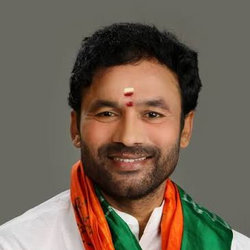
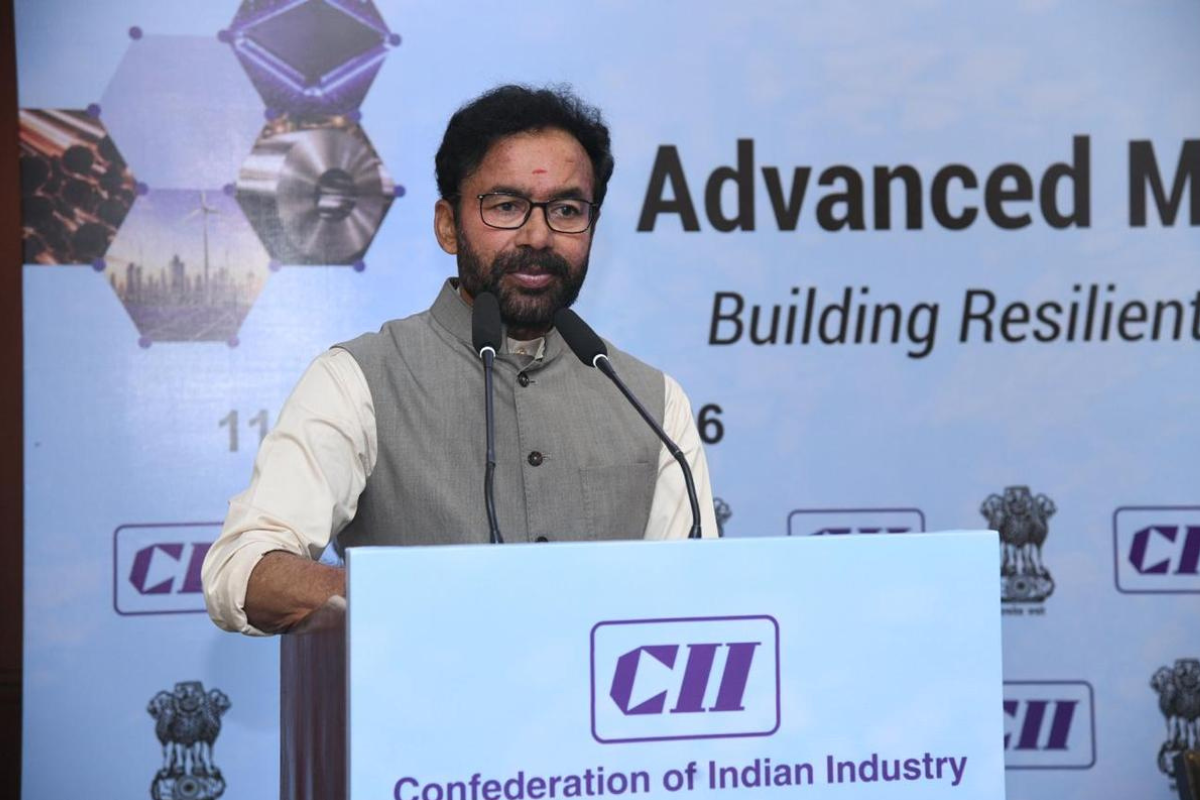
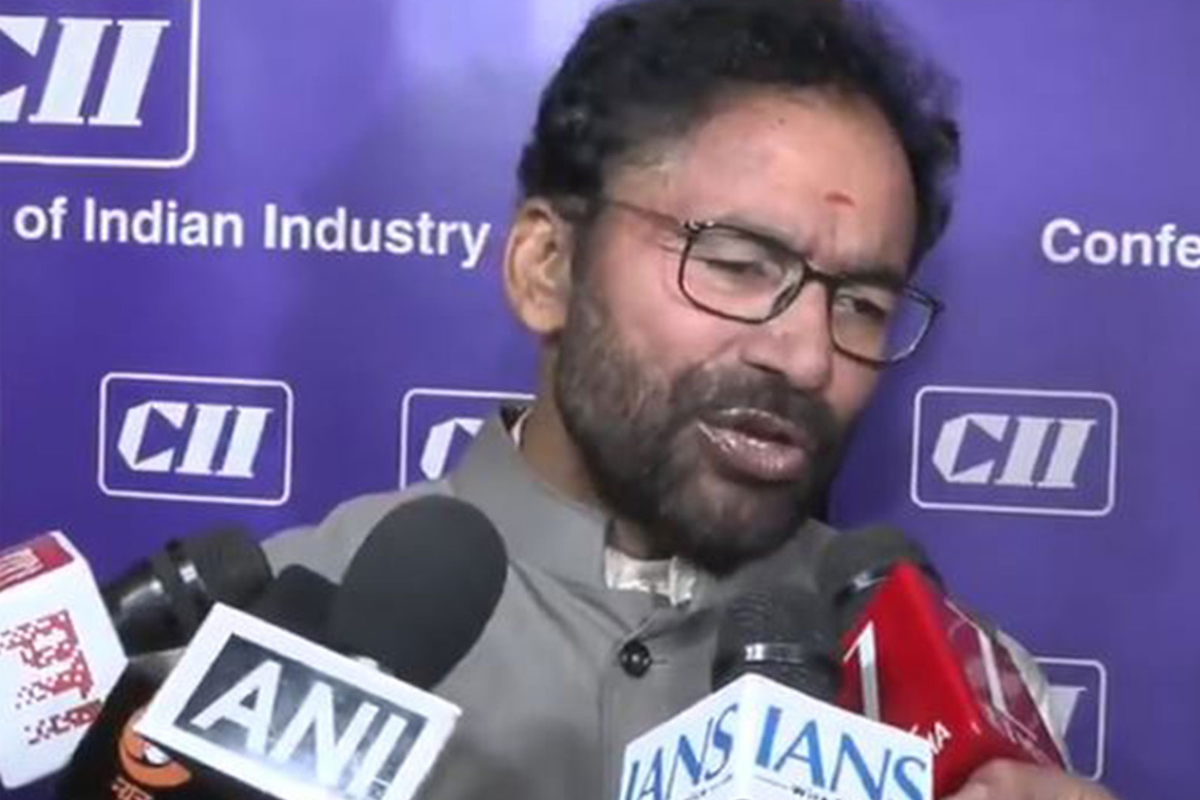
Delhi: Union Minister for Coal and Mines G Kishan Reddy says, "As I mentioned in the meeting, we are establishing four processing plants in India. Two states—Maharashtra and Gujarat—have already announced incentives and site details, including benefits related to power tariffs, land acquisition, and taxation. We are also in talks with Andhra Pradesh and Odisha. These four critical mineral processing plants are being set up to process raw materials sourced from overseas..."
— IANS (@ians_india) September 11, 2026
#WATCH | Delhi: Union Minister for Coal and Mines, G Kishan Reddy, says, "Critical minerals represent a vital sector not just for India, but for the entire world. Nations globally are making significant efforts regarding it. Discussions are underway with various countries, and over the past year, under the Prime Minister's leadership, we have signed MoUs with several nations concerning critical minerals. Critical minerals are also a key agenda item for the upcoming BRICS Summit. Yesterday, we held a special meeting with Russian minister. I intend to meet with representatives from other countries as well, because development today is impossible without critical minerals. From cell phones and space technology to fans, refrigerators, and cameras, there is a demand for critical minerals everywhere. Consequently, the Government of India aims to transition from its current dependence on foreign sources to self-sufficiency in critical minerals. To this end, we have ramped up domestic exploration activities and launched the National Critical Mineral Mission, which includes a ₹36,000 crore incentive scheme. We also aim to extract critical minerals from e-waste through urban mining. We can source 25 to 30 percent of India's critical mineral requirements through e-waste recycling, and a dedicated scheme has been launched for this purpose. Around 125 recycling companies from across the country have applied, and we have shortlisted 58 of them for the first phase to boost e-waste recycling activities. We have also initiated the setup of four critical mineral processing plants and are establishing a corridor stretching from Odisha through Andhra Pradesh and Tamil Nadu down to Kerala. The Government of India is undertaking various such initiatives..." He further says, "Exploration activities have been conducted at various locations in India, but our domestic lithium reserves are very limited. Consequently, we have acquired five land blocks for critical minerals, specifically lithium, in Argentina, and exploration work is underway. We are in talks to acquire five additional blocks in Argentina and are also negotiating with Australia and Chile. As I mentioned earlier, we are encouraging Indian private companies to venture abroad, acquire lithium blocks and bring the raw materials back to India..."
— ANI (@ANI) September 11, 2026
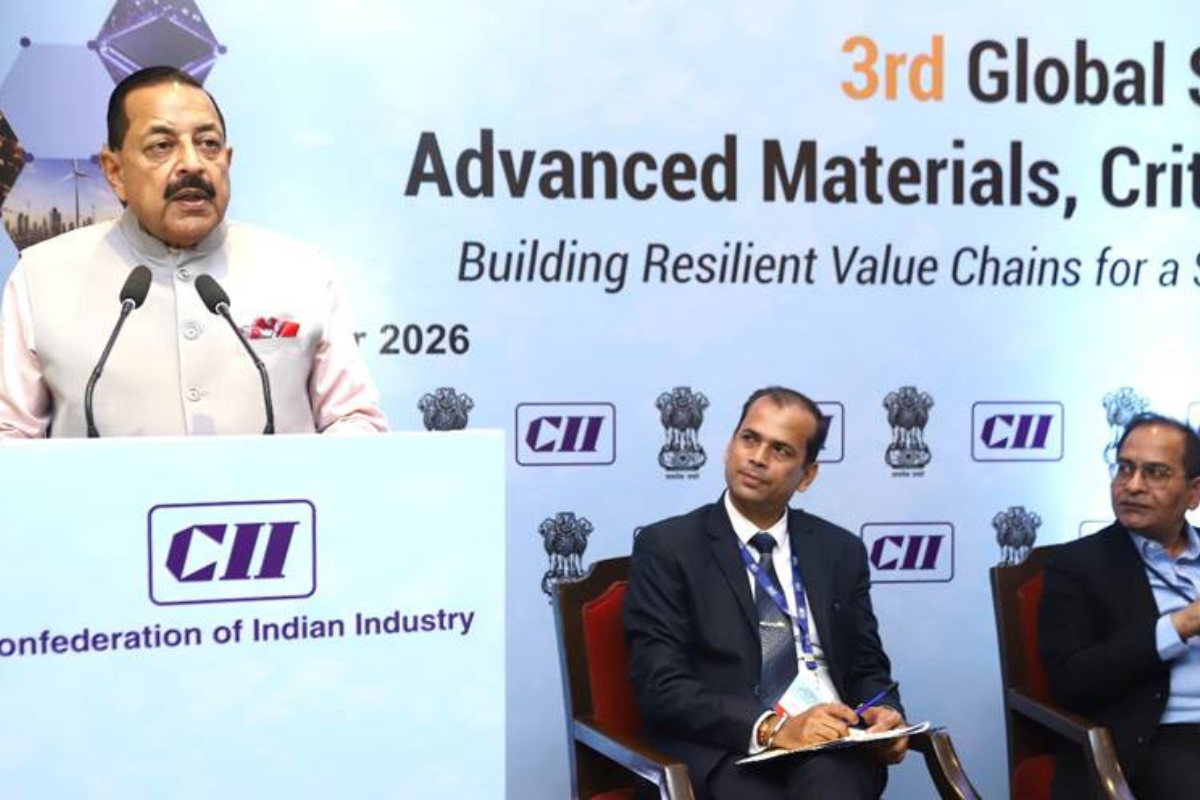
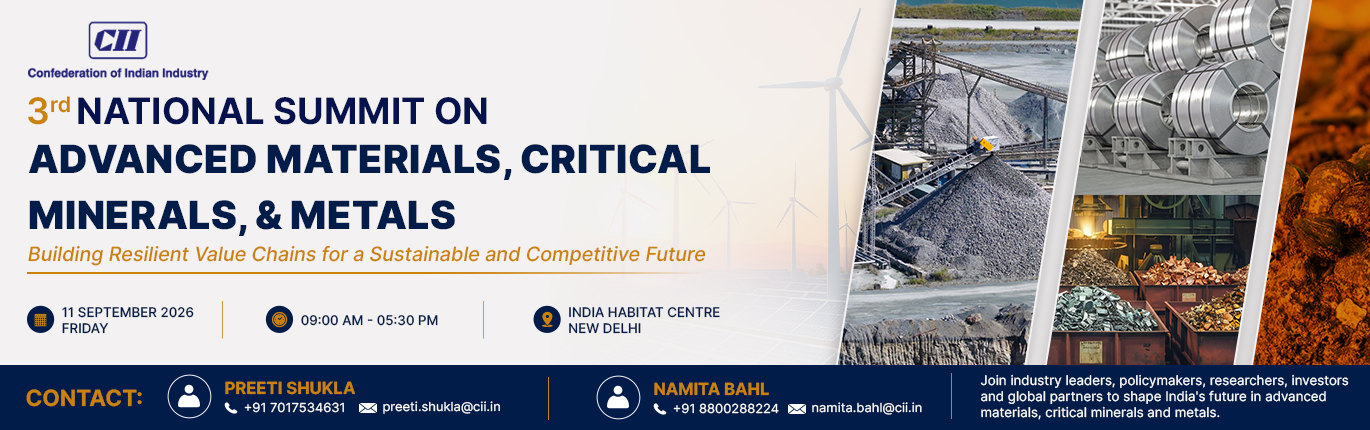
At the 3rd Global Summit on Advanced Materials, Critical Minerals & Metals organised by the Confederation of Indian Industry (CII) in New Delhi, I addressed industry leaders and global stakeholders on India’s transition from mineral dependence to self-reliance. Guided by the transformative vision of Hon’ble PM Shri @narendramodi Ji, India is building strategic depth across the critical mineral value chain—the fundamental backbone supporting everything from AI and semiconductors to clean energy. Highlighted rapid progress under the ₹34,000 Crore National Critical Mineral Mission, including 571 exploration projects undertaken in just two years and 4 dedicated mineral processing parks across Gujarat, Maharashtra, Andhra Pradesh, and Odisha. Globally, through the Khanij Bidesh India Limited (KABIL), we secured 5 lithium blocks in Argentina and forged strategic partnerships to safeguard our domestic industries. Underscored the power of urban mining and e-waste recycling, supported by our ₹1,500 Cr incentive scheme to fast-track secondary mineral recovery and build long-term supply resilience.
— G Kishan Reddy (@kishanreddybjp) September 11, 2026
My keynote address at the Special Plenary of the 3rd Global Summit on "Advanced Materials, Critical Minerals, & Metals", organised by the Confederation of Indian Industry (CII), at India Habitat Centre, New Delhi. Takeaways: "The global economy is undergoing a paradigm shift, with clean energy, electric mobility, semiconductors, telecommunications, aerospace, defence and nuclear energy emerging as major drivers of technological and industrial transformation. And, India is participating in this global discourse with much greater confidence and also preparing to assume a larger global role. Critical minerals and metals will be a driving component of the next phase of technological development, with their importance extending beyond mining to energy security, industrial competitiveness and national security. In other words, critical minerals are key to India’s Energy security, Industrial competitiveness and national security. Domestic resources will have to be combined optimally with international resources. Advanced materials and critical minerals require a whole-of-government and whole-of-nation approach, with industry being an integral partner".
— Dr Jitendra Singh (@DrJitendraSingh) September 11, 2026
VIDEO | Union Minister G Kishan Reddy says, "...The BRICS Summit is being held over the next two days, and it feels very good. Today, India is not an isolated country. India is working with all countries of the world. Our agenda is clear: 'Nation First'. As we aim to build a developed India by 2047, we will work with other countries to promote infrastructure development and employment generation, eradicate poverty and build a developed India. We will also seek the support of other countries in this endeavour."
— Press Trust of India (@PTI_News) September 10, 2026
Delhi: Union Minister for Coal and Mines G Kishan Reddy says, "Above all, we are actively encouraging and motivating the private sector. Through Indian missions abroad and foreign embassies located in India, we are supporting private companies to venture into mineral-rich nations, acquire land, undertake mining and semi-processing, and bring raw materials back to India. We are in continuous talks with multiple companies..."
— IANS (@ians_india) September 11, 2026
The Union Mines Ministry is in talks with Australia and Chile to acquire lithium blocks, while seeking five additional blocks in Argentina, Union Mines Minister Mr. G. Kishan Reddy said on Friday, as India steps up efforts to secure supplies of the critical mineral. ✍️@gsaptaparno https://t.co/HKVHosJsL2
— The Hindu (@the_hindu) September 11, 2026
Delhi: Union Minister for Coal and Mines G Kishan Reddy says, "Critical minerals are an essential segment not only for India, but for the entire world. Countries globally are making significant efforts to secure critical minerals, and various nations are actively discussing this issue. Over the past year under the leadership of the Prime Minister, we have signed MoUs regarding critical minerals with multiple countries. Discussions on critical minerals will also be one of the major agendas at the BRICS Summit. Yesterday, we held a special bilateral meeting with the Russian Minister at the Ministry of Mines office, and I will be meeting representatives from other nations as well..."
— IANS (@ians_india) September 11, 2026
Critical minerals key agenda for upcoming BRICS Summit: Union Minister G Kishan Reddy Read @ANI Story | https://t.co/9OGPrQbSev #GKishanReddy #BRICS #criticalminerals #summit https://t.co/gLaOHUxzAC
— ANI Digital (@ani_digital) September 11, 2026
The Coal and Mines Minister G Kishan Reddy said on Friday that critical minerals are among the key discussion topics at the 18th BRICS Summitl. https://t.co/2JBFqCehtz
— businessline (@businessline) September 11, 2026
VIDEO | Delhi: Addressing CII Global Summit on Advanced Minerals, Union Minister for Coals and Mines G Kishan Reddy (@kishanreddybjp ) says, "Recently, the Mines and Minerals (Development and Regulation) Amendment Act, 2026, was passed by the Parliament, which will make the sector more competitive. We have brought standardization of tax structure, which will encourage more MSMEs and startups to invest in the mining sector. The state governments will also benefit as more and more companies will invest in some of the remotest regions of India, making it more growth-oriented. We have a substantial mineral resource base in India, but we must develop, process, and value-add them and build industries around them. We must own the whole value chain, and development is our biggest challenge right now." (Full video available on PTI Videos - https://t.co/bIyFWTfmBd)
— Press Trust of India (@PTI_News) September 11, 2026
“Critical minerals are important segment not just for India, but for the whole world. In BRICS summit as well one of the major agendas will be discussion on critical minerals.” - Union Minister G Kishan Reddy at CII Global Summit on Advanced Materials, Critical Minerals and Metals
— News Arena India (@NewsArenaIndia) September 11, 2026